Separation Anxiety

Let’s get your life back on track…

As a Certified Separation Anxiety Trainer, I have the expertise to help you help your dog overcome this debilitating behaviour.

Why can’t my dog just relax?

OFFERING A COMPLIMENTARY 30-MINUTE ZOOM CALL TO DISCUSS WHAT’S HAPPENING.

Free tips & management advice + a training quote.
To book in, simply fill out the questionnaire form & schedule your free consult!

Living with Separation Anxiety

If you and your dog are living with separation anxiety, I don’t have to tell you the impact it has on your entire family.

The inability to make plans, to enjoy an evening out, to be spontaneous. Then there’s the emotional side – the stress, frustration, guilt, and the feeling of being well and truly trapped.

Here’s the good news – real change is possible!
Working with Kim

As a Certified Separation Anxiety Trainer, I have the expertise to help you help your dog overcome this debilitating behaviour problem.

I use science-based systematic desensitisation training exercises that gradually help your dog become confident in their own company.

And I can honestly say I know how you feel!

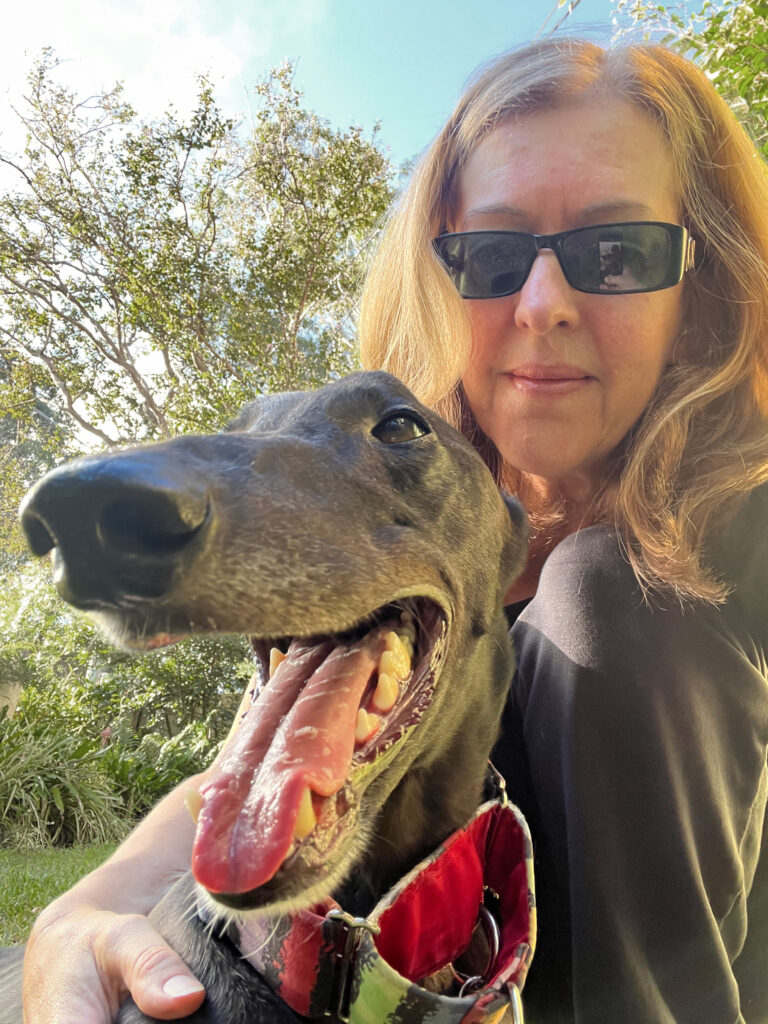
We rescued a beautiful Greyhound named Rocket and we are his fourth and forever family. He suffered from separation anxiety when he first arrived, but I am pleased to say, with training, he has recovered and now feels safe when we leave.

When you work with me…

I will listen. I will tailor a recovery plan specific to you and your dog. I will be there for you every step of the way – on the good days and the rough ones.

I will be honest. There is no quick fix for separation anxiety training, but with time, patience, commitment, and dedication amazing results are possible. I can’t wait to celebrate yours!

Understanding Separation Anxiety

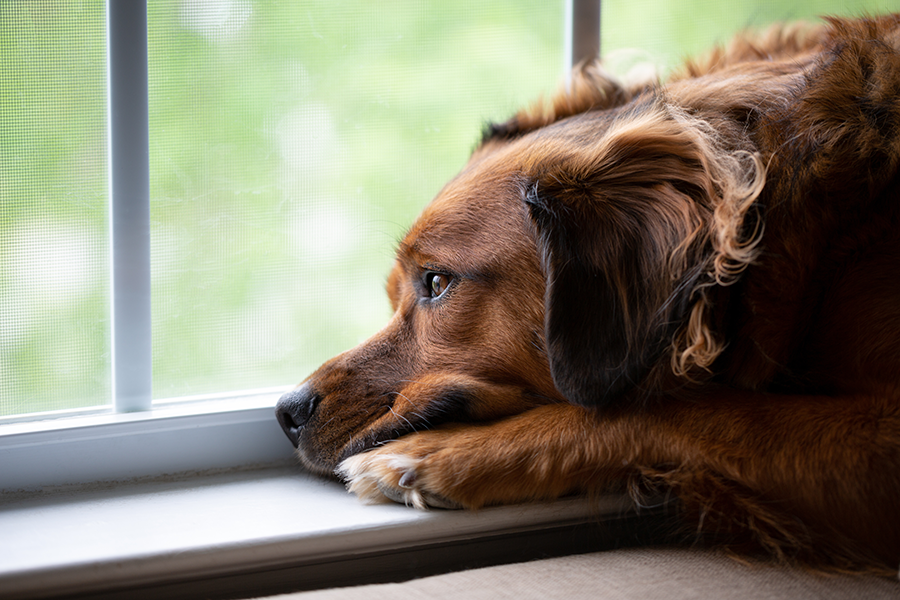
Much like anxiety disorders in humans, separation anxiety in dogs is truly something your dog cannot control. When left alone, dogs suffering from this debilitating form of anxiety go into a panic.

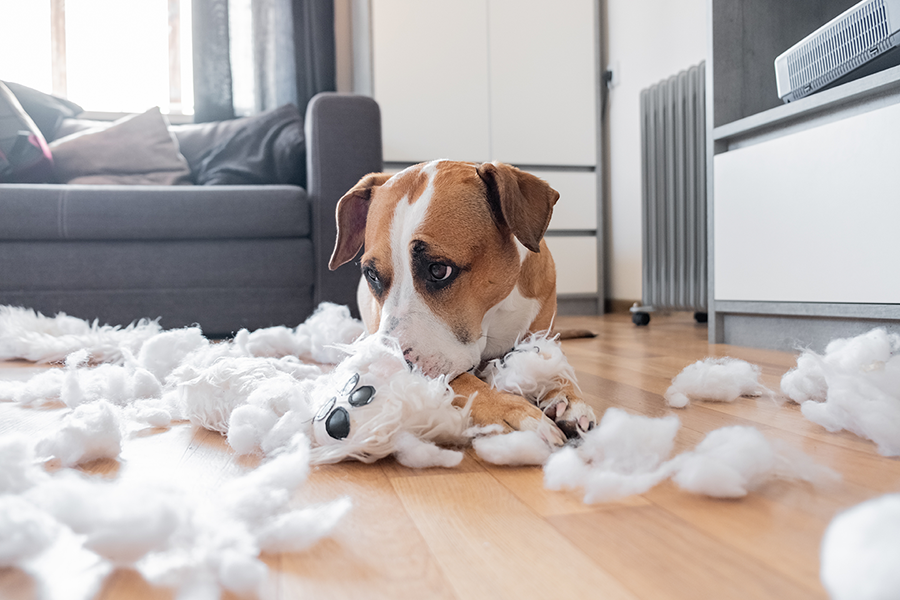
Every dog is different – some vocalise, some are destructive, some even experience loss of bowel control. Others suffer in silence and might hide, pace, shake, salivate, freeze etc…

Things such as life-changing events (moving, rehoming, loss of a companion), genetics, and temperament can all be contributing factors. Separation anxiety in dogs typically will not resolve on its own but will rather become worse.
Want to get you and your dog’s life back on track?

Your History

Firstly, please fill in our questionnaire below so I can get a good idea of what is happening at home with your dog.

Free Initial Consult

Book your initial complimentary 30-minute Zoom call to discuss your and your dog’s individual situation and training options.
TWO TRAINING OPTIONS

Superstar Program

If you choose to work one-on-one with me, I will provide you with 20-30 minute daily exercises to gradually get your dog comfortable with being left alone.

During this individually tailored 4-week program, exercises need to be completed five days per week and I will be in touch on each of those days for feedback. We will meet weekly to reassess how your dog is progressing.

DIY Alternative

My new Do-It-Yourself Separation Anxiety Program has all the ongoing support you need to move forward at an affordable cost.

6 modules, delivered weekly via group Zoom lessons to start your SA journey the right way.

We can talk about which training option suits your situation best, and the cost in your complimentary ½-hour online consultation.

Ready to get your life back on track?

Frequently Asked Questions about Separation Anxiety

The first thing you need to do is put a management plan into place that means the dog is not left alone to panic. This is a welfare issue.

The next step is to seek some help from either a certified separation anxiety trainer (CSAT) or a Veterinary Behaviourist. 

This form of training has lots of nuances to it, hence seeking help from a professional who specialises in Separation Anxiety is crucial.  The Dog Training/behaviour industry is not regulated in Australia and anyone can claim to be a trainer or behaviourist, so be sure to check qualifications when you are looking for help.

Every single dog’s symptoms are individual.  They can include excessive barking, howling, pacing, destruction, escaping, indiscriminate elimination, drooling, hiding, freezing, shivering, whining and self-mutilation. Over-the-top greetings when you get home can be another sign as well.

Just because a dog isn’t being vocal, it doesn’t mean that its level of anxiety is any less than one who is.  It saddens me to think that there are probably many more dogs suffering in silence, from this debilitation form of anxiety, that we are simply unaware of.

As a CSAT, I tend not to categorise levels of anxiety anymore, as over the years I have discovered that a dog whose symptoms seem extreme, eg. is destructive and has chewed through the front door for example, may do much better with its training, than a dog who is hiding under the bed and shaking. 

Every single case is different and you never know how it will go until you get started.

There is a lot of information on the internet suggesting you present your dog with treats and food puzzles AS YOU ARE DEPARTING. Some dogs will not touch these because their anxiety suppresses their appetite.  Other dogs who are just as anxious, but very food orientated will.  However, what you will find is AS SOON AS these dogs have finished whatever you leave out, they will start to panic.

Hence, this approach does not teach them how to cope. It could be used if you were heading out to take the rubbish down, knowing that it only takes you, say 10 mins, and it takes them 15 mins to get through a bully stick for example.  Plus, when this enrichment is presented to them AS YOU DEPART it becomes another pre-departure cue like shoes or keys.

This can attach a negative association to wonderful enrichment which is counterproductive.  If there is food or chews left down prior to your departure, say 20 or 30 or 40 mins before you leave, then that’s different.  If the dog hasn’t eaten it all in one go BEFORE YOU LEAVE and decides to re-engage with it once you have left then that’s a positive.

What you need to do to stop anxiety when you leave is to set up a management plan that means they are not left alone for any longer than they can cope with.  This can include, help from family, friends or neighbours who come to mind your dog or your dog going to them, hiring a professional pet sitter, taking your dog to day care if appropriate, taking them to work, networking with others who are in the same boat etc. 

Then get some professional help from someone who is qualified in this very specialised area of training.

Anxiety of any form just doesn’t go away, unless it’s purely situational and even then, it can have repercussions.  So, the answer is no, they won’t outgrow separation anxiety.  They need help to learn how to cope when they are alone, and this takes commitment, consistency and patience. 

The key is to go at the dog’s pace.

Separation anxiety is a welfare issue, so it is not fair to leave your dog alone if they suffer from this disorder.

They are experiencing a panic attack that can last for hours.  If you have ever experienced a panic attack, you will know just how overwhelming and debilitating they can be.

This can differ for each individual.  Some puppies come with a genetic predisposition to this behaviour problem and their people can do all the right things in regards to building up alone time to no avail. Other sensitive dogs may suffer an onset when their family moves.  The death of a family member or their canine companion can cause separation anxiety.

I worked with one dog who was traumatised by a neighbour pouring buckets of water on her on the balcony.  This caused her to suffer a sudden onset of separation anxiety, and she had been fine to be left on her own prior to this traumatising experience.  Once lockdowns were lifted after COVID, lots of dogs struggled when their people went back to work in the office. 

Rescue dogs can be prone to this problem due to past trauma and stressful conditions in shelters and adjusting to a new home and routine. 

Absolutely not!  

Well-meaning family and friends may suggest you have spoiled your dog and this has resulted in them having separation anxiety.  I wholeheartedly disagree. 

I speak to lots of people feeling a sense of guilt in this regard, and I always reassure them that spoiling their dog has not caused this problem.  Having a dog with separation anxiety is emotionally draining as it is, let alone feeling guilty for no reason.

Any breed can suffer from separation anxiety, but in my experience as a Certified Separation Anxiety Trainer (CSAT), I do see a LOT of Dachshunds with this behaviour problem. 

Some will say they shouldn’t, but in my opinion, it is irrelevant where they sleep.  If you want your dog to sleep in your bedroom, then that’s fine.  Their anxiety is about your departures not where they are or are not sleeping when you are there. 

My rescue Greyhound, Rocket, suffered from separation anxiety when we first adopted him, and he has always slept in my room; this didn’t affect his separation anxiety training or his ability to learn how to cope with my departures.

The best way to help a dog with separation anxiety is to teach them how to cope when you depart.  This is done using systematic desensitisation which means they are presented with you departing in increments they feel comfortable with, and these increments are gradually increased over time. 

Training needs to be done at the individual dog’s pace – Every separation anxiety recovery journey is completely individual.

HAPPY FAMILIES

Don’t Just Take Our Word For It
  • Georgina, Brad & Ari

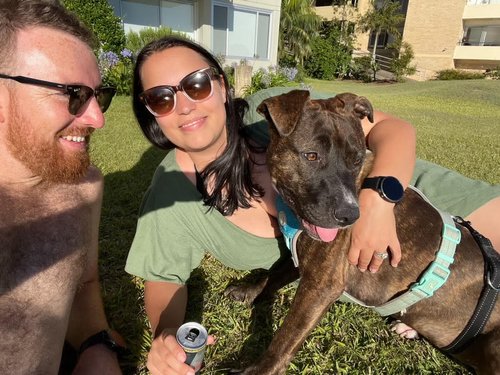
    We rescued Ari over lockdown and spent that time cuddling and stuck inside for several months. This unfortunately resulted in extreme anxiety when we tried to go out the front door, let alone leave her for a few minutes…. panic, ripping up of paws, etc. We contacted Kim and she has been there from day…
    Read More Georgina, Brad & Ari
  • Joel, David & Nora

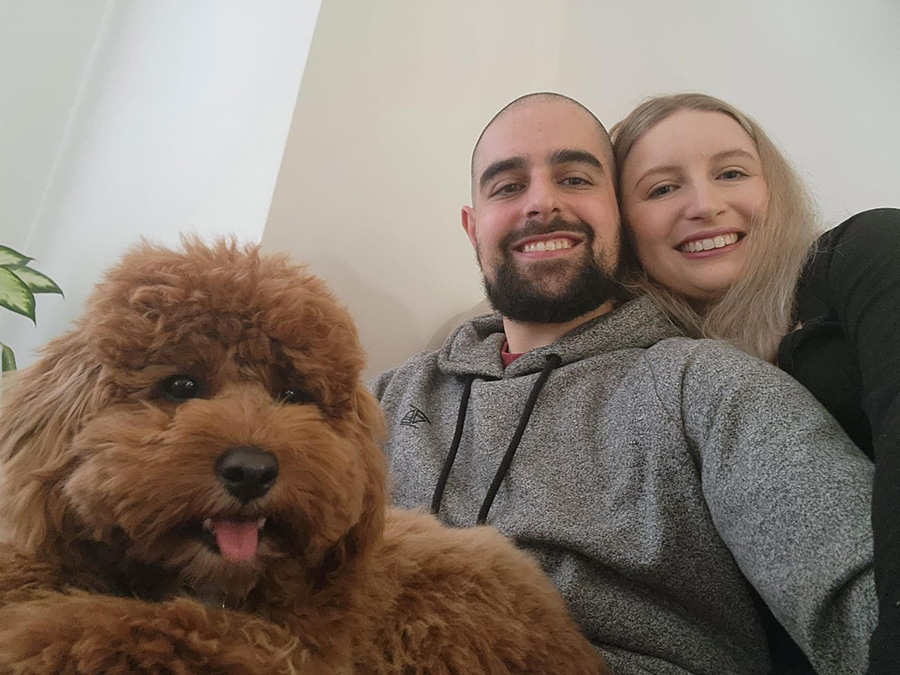
    Kim was super helpful with our pandemic puppy (Nora) and her separation anxiety. After a house move and other changes, our pup was extremely unsettled and Kim has helped us on the road to recovery. Before starting with Kim, we were unable to even leave the house or go on to our own balcony and…
    Read More Joel, David & Nora
  • Madeleine & Hank

    I came across Kim after spending months and months not really knowing how to deal with my dog’s separation anxiety. No matter what we tried, we couldn’t get him (Hank) to be comfortable with being alone. My dog’s issues were quite severe and it was ruling our life, happiness and ability to make plans for…
    Read More Madeleine & Hank
  • Sarha, Ben, Vinnie & Ernie

    Kim is a very knowledgeable dog trainer who is very generous with her time. We took our Spoodle, Ernie, to puppy pre-school with Kim and have been working with Kim to help with Ernie’s separation anxiety. We have seen a huge change in Ernie from his training with Kim, who was also generous with providing…
    Read More Sarha, Ben, Vinnie & Ernie
  • Molly, Brandon & Poppy

    We are so grateful for Kim’s help with our girl Poppy. She couldn’t be left alone for more than a couple of minutes before completely freaking out and now we are able to comfortably go out for a couple of hours, all the while Poppy is completely relaxed. I am so thankful we committed to…
    Read More Molly, Brandon & Poppy
  • Daphne & Arthur

    Kim gave me excellent guidance on Arthur’s separation anxiety. Firstly at Puppy School and then I attended a webinar she presented on SA. I wanted him to feel “SAFE” when left alone. So I set about training DIY, and after a great deal of ‘missions’, persistence and patience, we have made appreciable progress. He now settles…
    Read More Daphne & Arthur
  • Peter, Jessi & Reggie

    Kim has been an absolute joy to work with and has shown us that there is a light at the end of the tunnel for our puppy’s separation anxiety journey. Kim is at the forefront of separation anxiety training and uses the most up to date methodologies from Malena DeMartini to get your dog the…
    Read More Peter, Jessi & Reggie
  • Lisa & Ollie

    I highly recommend Kim if you are looking for help with separation anxiety for your dog! I was given her name when I was looking for a CSAT after reading about the program. I had realised early on that my puppy, Ollie, wasn’t coping at all if I attempted to leave him alone, and I…
    Read More Lisa & Ollie
  • Jamila, Sebastian & Misch

    Kimbra has helped my partner and I so much with our pandemic puppy’s separation anxiety! We were able to get our pup from only handling 1 second (yes 1 second!) to being able to withstand 2.5hrs of being alone. Just a note to other puppy parents that are struggling: Remember it’s not always a straight…
    Read More Jamila, Sebastian & Misch